How to Size a Tankless Water Heater: GPM, BTU and Temperature Rise Explained

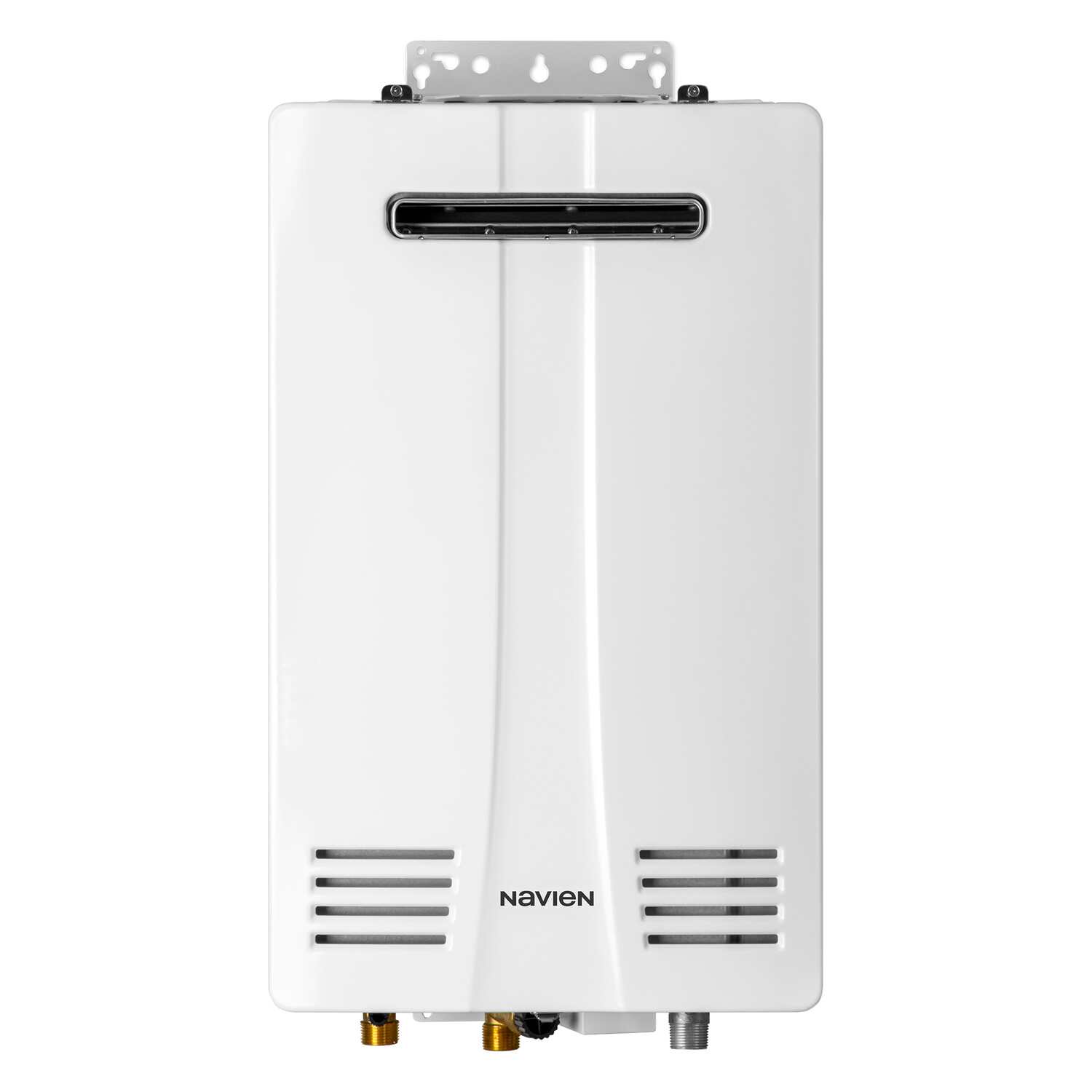
A tankless water heater heats water only when you need it, so it never runs out of hot water the way a tank can. But it only delivers comfortable hot water if it is sized correctly. Size it too small and showers turn lukewarm when someone starts the dishwasher. This guide walks through the two numbers that matter: flow rate and temperature rise.
Step 1: Estimate your peak flow rate (GPM)
Tankless heaters are rated in gallons per minute (GPM). Add up the fixtures you expect to run at the same time. Typical flow rates are:
| Fixture | Typical flow |
|---|---|
| Shower | 1.5–2.5 GPM |
| Bathroom faucet | 0.5–1.5 GPM |
| Kitchen faucet | 1.5–2.2 GPM |
| Dishwasher | 1.0–2.0 GPM |
| Washing machine | 1.5–3.0 GPM |
For example, two showers (2 × 2.0) plus a kitchen faucet (1.5) means you need about 5.5 GPM at peak.
Step 2: Work out your temperature rise
Temperature rise is the difference between the cold water entering your home and the hot water you want (usually around 120°F). Incoming water is colder in northern states and in winter, so plan for the coldest month:
- Warm southern climates: incoming water around 60–70°F, a rise of about 50–60°F
- Mild climates: around 50–55°F, a rise of about 65–70°F
- Cold northern climates: as low as 35–45°F, a rise of 75–85°F
The bigger the temperature rise, the fewer gallons per minute any heater can deliver. That is why manufacturers publish GPM at several rise values, for example “9.8 GPM at a 35°F rise” but far less at a 70°F rise. Always compare models at your rise, not the headline number.
Step 3: Match the BTU rating
Gas tankless heaters are rated by input in BTU per hour. Whole-home units for most houses fall between about 150,000 and 199,000 BTU/h. Larger homes, cold climates or homes with several bathrooms often need the higher end, or two units connected together.
Condensing vs. non-condensing
- Condensing models capture extra heat from exhaust gases, so they are more efficient and typically vent through inexpensive PVC pipe. They cost more upfront.
- Non-condensing models cost less to buy but need stainless steel or other heat-resistant venting, and are less efficient.
Natural gas or propane?
Tankless gas heaters are built for a specific fuel. Check whether a model is for natural gas (NG) or liquid propane (LP) before you buy, and confirm your gas line can supply the unit’s full BTU input. Installation should be done by a qualified, licensed professional and follow local codes.
Quick sizing checklist
- Peak GPM you need at the same time
- Temperature rise for your coldest month
- Fuel type: natural gas or propane
- Indoor or outdoor installation
- Venting requirements and available space
Browse Navien and Rinnai tankless water heaters, boilers and furnaces.